Wagyu embryos for sale
1,015 embryo listings with a price · median listed price $900 in US dollars (as of 22 November 2026)
WagyuTank gathers Wagyu embryos for sale from sellers' own public websites, and from members who list here. Every listing links back to the seller, whose site is the authoritative source for price and availability. You deal with the seller directly: WagyuTank is free to list and free to buy, and takes no commission.
An embryo is flushed from a donor cow (in vivo) or produced in a laboratory (in vitro, IVF), frozen in a straw, and transferred into one recipient female. The calf's genetics come entirely from the donor and the sire; the recipient carries the pregnancy. With embryo transfer an outstanding cow can produce many calves a year, and her frozen embryos can be sold and shipped worldwide.
Newest Wagyu embryo listings

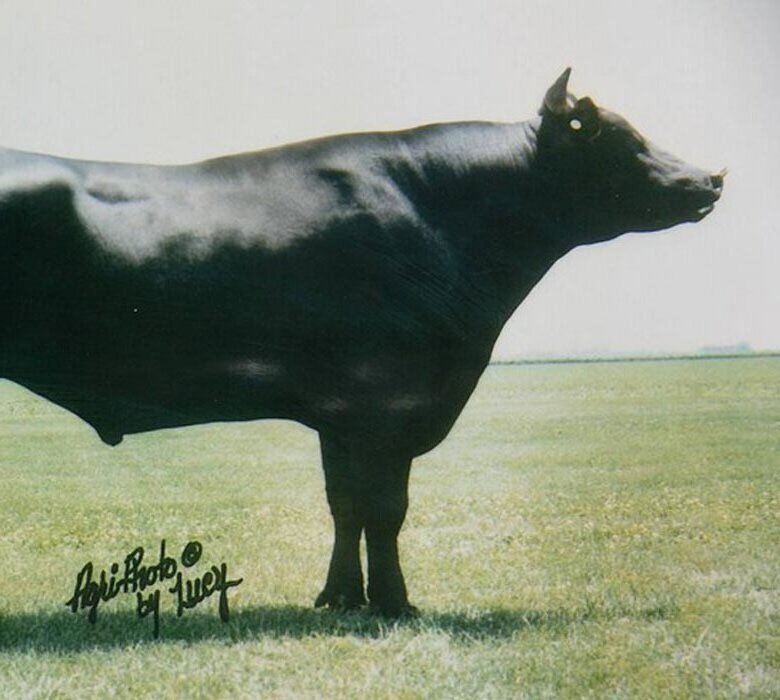
Fullblood Wagyu embryos
Under the American Wagyu Association's rules, a fullblood animal is registered in the Japanese Wagyu herd book or is the progeny of two registered 100% fullblood parents. For fullblood embryos, both the sire and the donor should be registered so the calves can be registered. Other registries, such as the Australian Wagyu Association, publish their own grade rules, so check which registry a listing refers to.
Practically everything sold as Wagyu genetics outside Japan is Japanese Black, Japanese Brown (Akaushi, or Red Wagyu) or a cross of them. Genetics cannot be sourced from Japan itself: legitimate Wagyu genetics on the market descend from animals exported before the late 1990s.
What to ask before you buy embryos
Ask for the sire and dam, the embryo grade and stage, whether the embryos are in vivo or IVF, the freezing method (some methods allow direct transfer) and who froze them. Ask for registration numbers, DNA parentage and tested results for B3, CHS, CL16, F11 and IARS. An embryo certificate or transfer form naming the sire, dam and number of embryos is what your association needs to register the calves.
Confirm with the storage facility that the embryos exist before you pay in full, and never pay an unverified seller with gift cards, crypto or untraceable transfers.
Questions buyers ask
Where do the Wagyu embryos on WagyuTank come from?
Many listings are gathered from sellers' own public websites and always link back to the original; members can also list here. The seller's site is the authoritative source for price and availability. WagyuTank is free to list and free to buy, and takes no commission.
What is the difference between in vivo and IVF embryos?
In vivo embryos are flushed from a donor cow about 7 days after she is superovulated and inseminated. IVF embryos are made in the laboratory from eggs collected from the donor's ovaries (ovum pick-up), and use very little semen. Some countries treat IVF embryos differently from in vivo embryos for import.
What pregnancy rate can I expect from frozen embryos?
Mississippi State University Extension reports pregnancy rates averaging approximately 65 percent for fresh embryos and 55 percent for frozen-thawed embryos. Embryo quality, recipient condition and synchrony, and technician skill all move that figure.
What does A5 mean for a Wagyu embryo?
A5 is a Japanese beef carcass grade, not an embryo grade: the top yield grade (A) and the top quality grade (5), which needs a Beef Marbling Standard score of 8 or above. Embryos are graded by stage and quality under the IETS system. For marbling, ask for progeny carcass data tied to parent-verified calves.
Can I import Wagyu embryos into my country?
Only when the importing country's animal-health rules are met before the shipment leaves. Check that the product is allowed from the exporting country, get any import permit, and confirm the embryos were collected by an approved embryo collection team with health testing. On-farm collections usually cannot be exported.